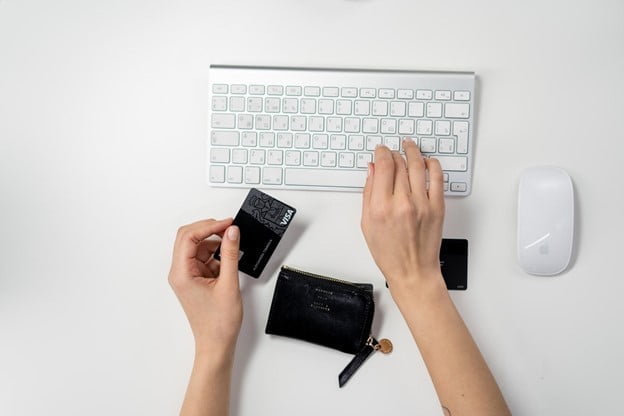

As much as banks and financial institutions do to make sure their customers have a safe and seamless banking experience with them, much is also expected of the customer. Day-in and day-out, we are all faced with different kinds of cybersecurity threats.
More often than not, these attacks are directed at our Personally Identifiable Information (PII) and financial assets – both of which are very essential to every person.
5 Tips to Secure Your Online Banking Experience
Online banking platforms usually hold both personal and financial asset information. To protect these from getting stolen by unscrupulous elements, the tips outlined below can be employed:
- Keep Your Antivirus Software Up to Date: Having antivirus software to check and deal with all suspicious cases of corruption is good but not enough. These malicious programs used in corrupting devices and stealing information are frequently updated. This is why an antivirus software update must be downloaded and installed as soon as it is released, so your device is kept protected from new variants of any virus.
- Avoid Public WiFi: This is especially important when you are performing bank transactions online. Public Wi-Fi can be enticing, but the dangers involved outweigh the benefits. In the event where the transaction is very important, and public Wi-Fi is the only option, using a VPN while transacting will help encrypt the network data and protect them as they are being transported over the Internet. This way, no third party can intercept the information for malicious use.
- Avoid Suspicious Emails and Websites: A large number of online banking cyberattacks are a result of phishing. This is why it is advisable to verify that any email that looks to be from your bank is actually from your bank. Furthermore, avoid clicking links to websites or portals that come from your email. You should also avoid giving out any form of bank details to a “bank agent or representative” over the phone or email.
- Tighten Account Security: If your bank application offers Two or Multi-Factor authentication, you should absolutely use it. Additionally, you should use a strong password on your application – especially one that is not used on any other website. This way, it is harder for any hacker to gain access to your account.
- Sign Up for Banking Alerts: These alerts help you stay abreast of all the transactions happening on your account. With this, you can easily identify fraudulent transactions and report such transactions to your bank as soon as possible to carry out the appropriate actions.
Conclusion
Financial assets are valuable to every individual, and no one wants to lose them. The above tips and more can set you on the right path to a secure online banking experience and prevent such occurrences from happening.