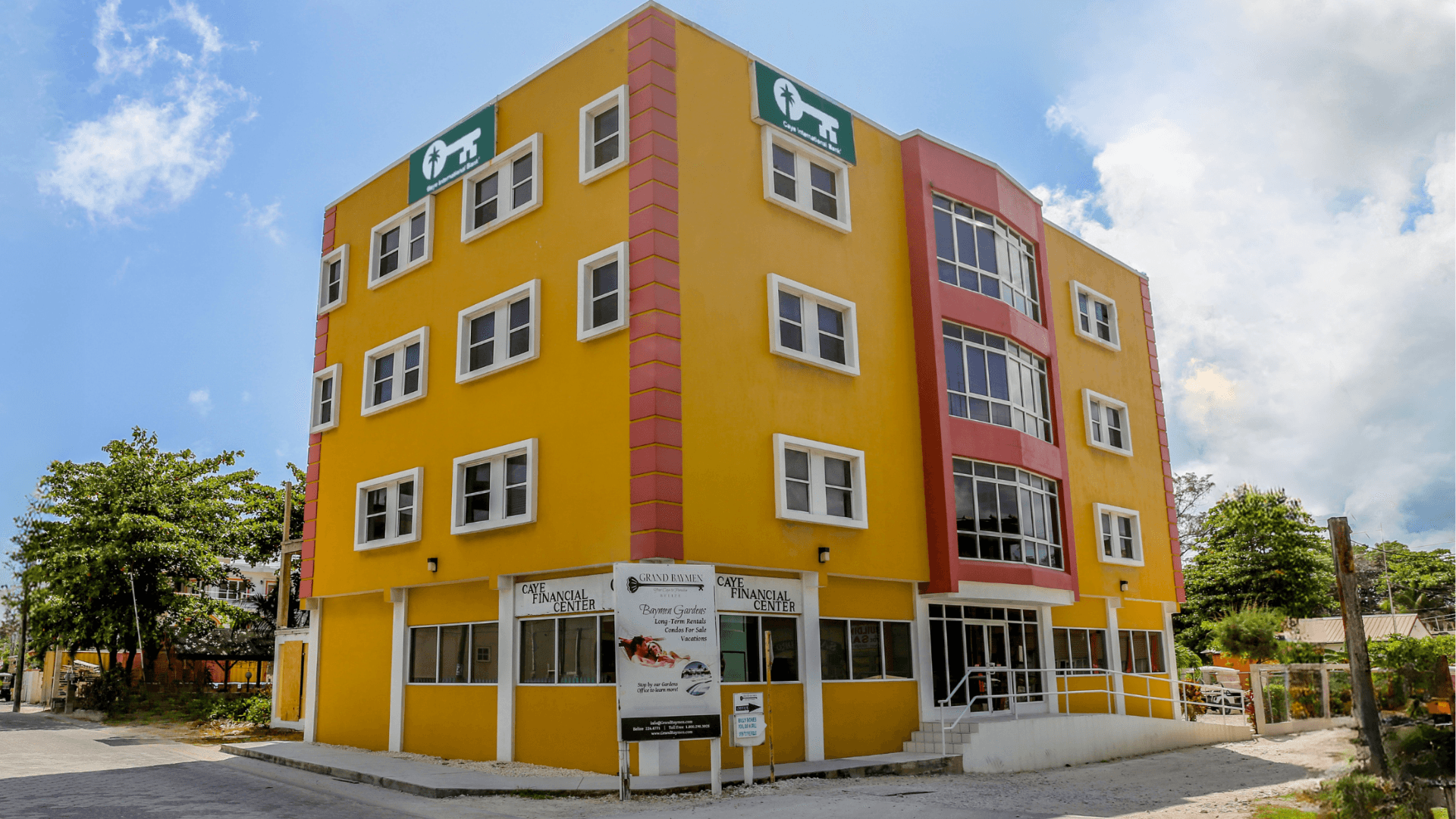

 Both individuals and corporations can benefit from banking internationally. Moving some assets to an offshore or international bank account allows for greater freedom and flexibility, and it can also be a smart way to diversify holdings and make the most of foreign tax laws. If your business is looking to branch out and work with an offshore bank, Caye International Bank in Belize is a smart choice.
Find out more by taking a look at how to make the most of corporate international banking.
Choose a Tax-Friendly Jurisdiction
Perhaps the most important first step when choosing an offshore bank for a corporate account is to investigate the tax-friendly jurisdictions available to you. A major benefit of banking internationally as a corporation is to enjoy lower rates of taxation on assets and income.
By choosing to bank in a place like Belize, for example, some businesses may be able to save big on their taxes at the end of each year. If your business is going to bank overseas, it makes sense to pick an international spot where you can save money through reduced taxation.
Take Advantage of Corporate Lines of Credit
Corporate international banking is about more than just opening active accounts where you can deposit funds and then make withdrawals. Corporate international banking may also mean making the most of corporate lines of credit. A line of credit can truly be a lifeline for a business, particularly a new business or one that is just beginning to expand internationally.
In addition to an open line of credit, corporations can seek out loans for real estate development or construction, capital purchases or credit cards for individual employees purchasing supplies for the business. When choosing the right offshore bank, be sure to choose one that offers all of these potential lines of credit that could be useful for your business today or one day in the future.
Diversify With Multiple Currencies
When companies only have domestic bank accounts, they tend to stick with a single form of currency. While this might not be a bad idea for a smaller business or a company that is just starting and only plans to operate domestically, it can be limiting for some international corporations.
By banking internationally at a financial institution like Caye Bank, corporations will be able to maintain balances in a range of different currency types. This is a savvy way to diversify, but it also allows for international purchases and a way to guard against potential inflation or problems with a specific currency.
Enjoy Lower Operating Costs
One of the most immediate ways that you can appreciate corporate international banking is through lower operating costs. Many international banks, particularly those in low-cost areas of living such as Belize, have reduced overhead fees thanks to inexpensive labor and real estate.
Those savings go straight to the customers, who can spend less on ordinary banking fees, transactions and even any necessary financial assistance. When businesses are operating on a big scale, simply moving bank accounts internationally can be enough to see profits rise.
Find out how you can take advantage of international banking. Contact us today and let’s get the discussion started.