
US dollar has been the world’s major reserve currency since World War II. In spite of the U.S. being the origin of the global financial crisis in 2008, the US dollar status, albeit questioned, has never been shaken. The still-evolving sovereign debt crisis in Europe has further boosted the safe-haven demand for US Dollars.
How Dominant is the US Dollar
Several facts confirm the dominance of the US dollars. Each of the world’s major currency pairs involves the US Dollar on one side, for example, Euro versus USD, which makes the Dollar the world’s most traded currency. Among the allocated reserves held in the central banks around the world, about two-thirds are held in US Dollar which is also the world’s dominant currency for international trade. Research has shown that non-US residents keep the bulk of their US deposits outside of the U.S. The U.S. is currently the largest country in the world with nominal GDP at about $15 trillion. The size of its economy and the depth and size of its financial markets means individuals and corporations globally need to trade with the U.S. Also most of the commodities are priced and traded in dollars.
Who Needs to Bank in US Dollars
Several groups of people or businesses would require banking in US Dollars using offshore accounts:
– US citizens or expatriates living overseas;
– Individuals who travel frequently to the U.S.;
– Corporations or individuals who are business or property-owners in the U.S.;
– International businesses which need to settle transactions in US Dollars;
– Entities who want to invest in Eurodollar bonds or offshore investment products;
– Anyone who is paid in US Dollars.
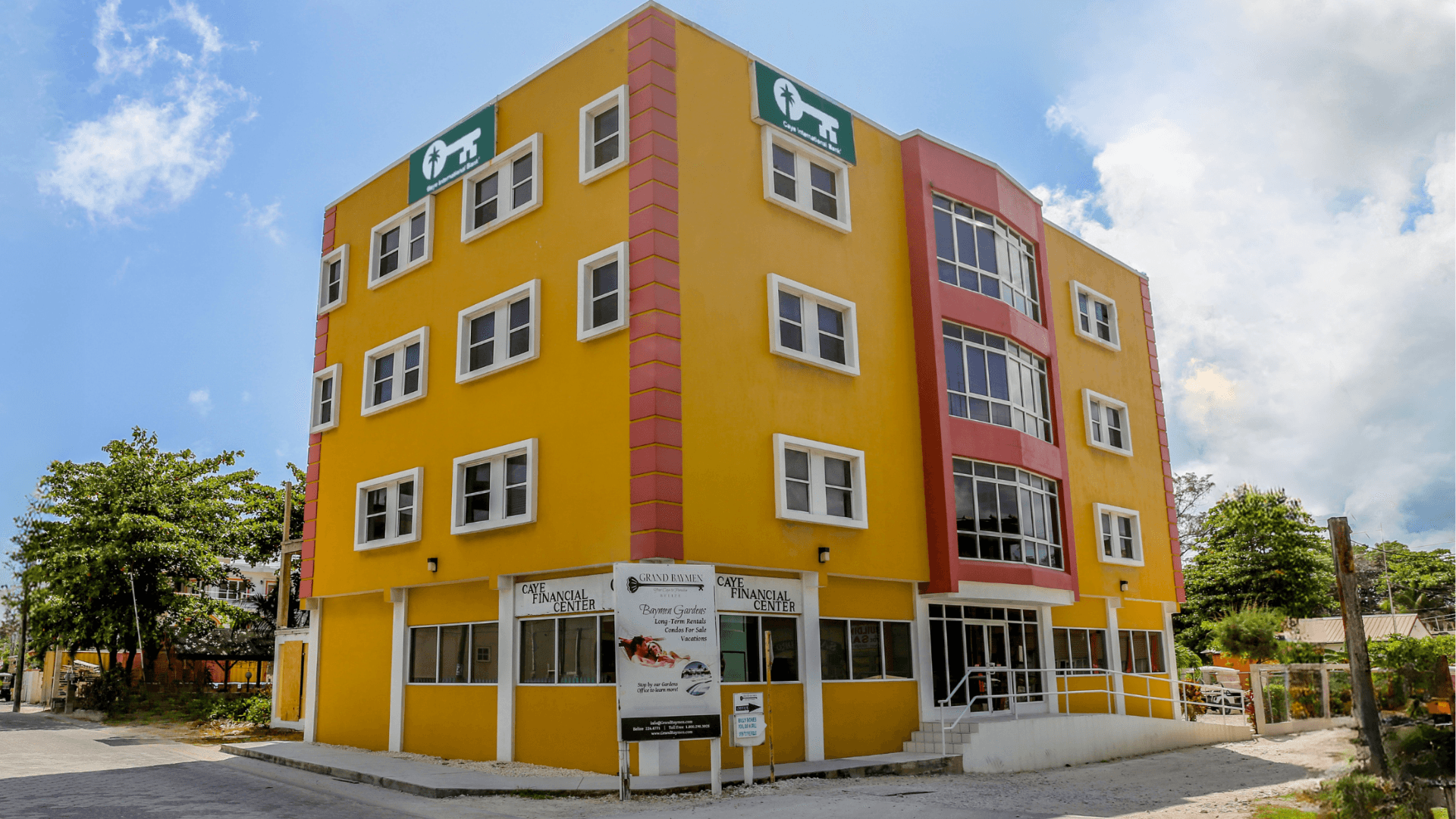
Banking in Belize
Belize, an English-speaking Central American economy and a stable democracy, has grown into a reputable offshore banking haven offering safety and privacy. It is only two hours by flight from Miami or Houston in the U.S. Offshore banks typically offer accounts in multiple currencies including US Dollars, online banking, credit or debit cards and international wire services. Minimum deposit requirement is low and no direct presence is necessary when opening an account though references, a certified copy of passport and utility bills for proof of address are required.
In summary, with a US Dollar bank account in an offshore bank in a safe jurisdiction such as Belize, individuals or businesses do not need to worry about exchange rate risk or repatriation of their money back home. They gain access to liquidity and the flexibility to transact or invest in the world’s dominant currency.